Is Spray Foam Insulation Worth It in Miami's Climate?
If you own a home in Miami, you've probably considered ways to reduce cooling costs and improve comfort. Spray foam insulation has become increasingly popular across South Florida, but the question remains: is it actually worth the investment for your specific situation?
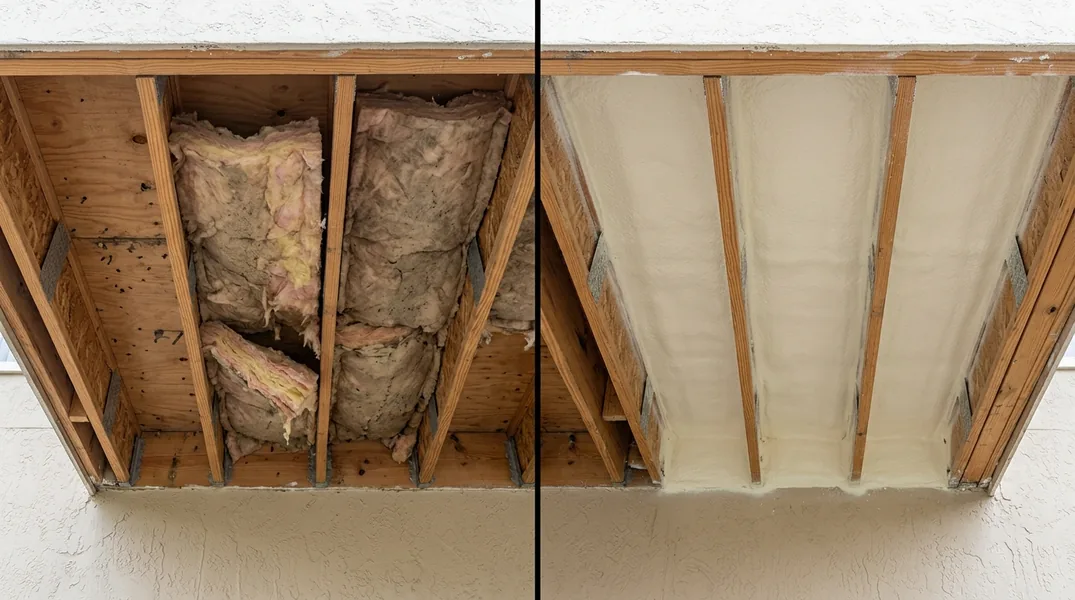
The short answer is yes, for most Miami homeowners. The region's hot, humid climate makes energy efficiency a genuine concern. Traditional fiberglass insulation loses effectiveness over time, especially in attics where temperatures can exceed 140 degrees Fahrenheit. Attic Spray Foam Insulation creates an air-tight seal that traditional materials simply cannot match. This means your air conditioning system works less hard, your energy bills drop, and your home stays more comfortable year-round. For many homeowners, the energy savings alone pay for the installation within 5 to 8 years.
Beyond energy savings, spray foam insulation adds structural integrity to your home, improves indoor air quality by reducing outdoor allergen infiltration, and can increase your property's resale value. In Miami's competitive real estate market, energy-efficient homes command higher prices. However, the true worth depends on your specific needs, budget, and long-term plans for your home.
Is Spray Foam Insulation Safe? Addressing Health Concerns
Safety is the first question homeowners ask, and it's a legitimate one. The good news is that spray foam insulation, when installed properly by certified professionals, is safe for your home and family. However, there are important distinctions between the installation process and the final product.
During installation, spray foam releases isocyanates and other chemicals that require proper ventilation and protective equipment. This is why professional installation is non-negotiable. Trained technicians wear respiratory protection, ensure adequate air circulation, and follow strict safety protocols. Once cured (typically 24 hours), spray foam becomes inert and poses no health risk. The material is inert, meaning it doesn't off-gas or release harmful substances into your home's air.
The confusion often stems from stories about poor installation practices or DIY attempts gone wrong. When untrained individuals apply spray foam without proper ventilation or safety measures, problems can occur. This is precisely why working with experienced professionals like Miami Spray Foam Insulation matters. We follow industry standards and manufacturer guidelines to ensure your installation is safe from day one. If you're concerned about the installation process, ask your contractor about ventilation protocols and post-installation air quality testing before work begins.
Understanding Spray Foam Off-Gassing: What You Need to Know
Spray foam off-gassing is perhaps the most misunderstood aspect of this insulation type. Off-gassing refers to the release of volatile organic compounds (VOCs) from materials. The reality is more nuanced than many online discussions suggest. Properly installed spray foam does not off-gas after it has fully cured, which typically occurs within 24 to 48 hours of application.
During the curing period, some odor may be present, and this is completely normal. The smell is not necessarily dangerous, but it is noticeable. Professional installers manage this by ensuring proper ventilation during and after application. Your HVAC system should be shut down during installation, windows should remain open, and the home should be well-ventilated for at least 24 hours post-installation. Many Miami homeowners choose to stay with family or in a hotel for one night as a precaution, though this is not always necessary depending on the scope of work.
The key distinction is between off-gassing during curing and long-term off-gassing. Once fully cured, spray foam does not release harmful chemicals. Independent testing and decades of real-world use confirm this. If you're still concerned, ask your contractor about low-VOC foam options or request post-installation air quality testing. Reputable companies welcome these requests because they're confident in their product and process.
Spray Foam Insulation Pros and Cons: A Balanced View
Understanding both advantages and disadvantages helps you make an informed decision. The pros are substantial: superior R-value per inch, complete air sealing that reduces energy consumption by 15 to 20 percent, moisture resistance, pest prevention, and long-term durability. Spray foam typically lasts 80+ years without degradation, unlike fiberglass which settles and loses effectiveness. For Miami's humid climate, the moisture resistance is particularly valuable, preventing mold growth and structural damage.
Closed Cell Spray Foam Insulation offers the highest R-value and best moisture protection, making it ideal for attics and basements. Open Cell Spray Foam Insulation is more affordable and provides excellent sound dampening, though it's less effective at moisture control. Both types have legitimate applications depending on your situation.
The cons deserve equal consideration. Initial installation cost is higher than fiberglass, typically ranging from 1.50 to 3.50 dollars per board foot depending on type and application. Removal or modification can be challenging if you need future renovations. Some people are sensitive to the installation odor, though this is temporary. Additionally, improper installation by inexperienced contractors can lead to issues like incomplete sealing, uneven application, or inadequate ventilation during curing. This is why choosing a qualified, local contractor in Miami Beach and surrounding areas matters tremendously.
Spray Foam Insulation Problems: What Can Go Wrong and How to Avoid Them
Most spray foam problems stem from poor installation rather than the material itself. Common issues include incomplete coverage, inadequate air sealing around penetrations, improper ventilation during application, and using the wrong foam type for the application. When foam is applied too thickly without proper expansion control, it can crack as it cures. When applied too thinly, it fails to provide adequate R-value. These problems are entirely preventable with proper training and experience.
Another potential issue is using spray foam in applications where it shouldn't be used. For example, Wall & Injection Foam Insulation requires careful assessment of wall cavities and moisture conditions. Applying closed-cell foam in vented attics can trap moisture, while open-cell foam in unvented attics may not provide adequate moisture protection. The solution is simple: work with contractors who understand Miami's specific climate challenges and building codes.
To avoid problems, verify that your contractor is certified, insured, and has verifiable references from recent Miami-area projects. Ask about their quality control process, how they handle ventilation during application, and what warranty they provide. Request a detailed written estimate that specifies foam type, thickness, coverage area, and post-installation procedures. These steps protect your investment and ensure you receive the quality installation your home deserves.
Making Your Decision: Is Spray Foam Right for Your Miami Home?
After considering safety, off-gassing, pros, cons, and potential problems, you're ready to decide. Spray foam insulation is worth it if you plan to stay in your home for at least five years, want to maximize energy efficiency, or are concerned about moisture and pest infiltration. It's especially valuable in Miami, where cooling costs are substantial and humidity presents real challenges to traditional insulation.
The investment makes sense for attics, which are the primary source of heat gain in Florida homes. It also works well for basement walls, crawl spaces, and new construction. If you're on a tight budget, start with your attic, which typically provides the best return on investment.
Before committing, get a free estimate from Miami Spray Foam Insulation. We'll assess your home, discuss your goals, explain the process in detail, and provide transparent pricing with no hidden fees. You can reach us at (786) 503-8206 to schedule your consultation. We serve Coral Gables, Hialeah, and throughout the greater Miami area. Our team has years of experience helping homeowners like you make the right insulation choice for their specific needs and concerns.
Looking for a professional spray foam insulation contractor in Miami? Miami Spray Foam Insulation responds fast for all your spray foam insulation needs.
Get a Free Quote